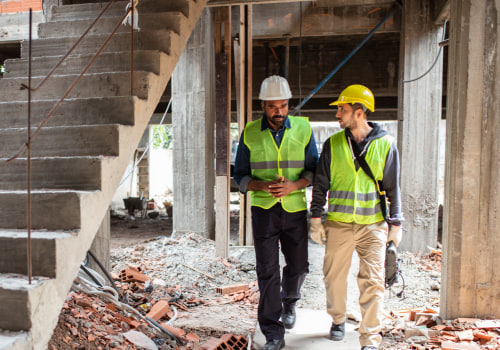
In the realm of real estate development, risk management is not just a precautionary measure; it is a fundamental component that can dictate the success or failure of a project.
Real estate risk management
involves identifying, assessing, and prioritizing risks associated with property development, ensuring that potential pitfalls are addressed before they escalate into significant issues. This proactive approach allows developers to navigate the complexities of the market, regulatory environments, and financial uncertainties that are inherent in real estate ventures. The importance of risk management in real estate cannot be overstated. With the potential for substantial financial investment and the long timelines often involved in development projects, understanding and mitigating risks is crucial.Effective risk management strategies not only protect assets but also enhance decision-making processes, allowing developers to allocate resources more efficiently and pursue opportunities with greater confidence. By integrating a comprehensive risk management plan, stakeholders can anticipate challenges and implement solutions that safeguard their investments. Moreover, as the real estate landscape continues to evolve with technological advancements and shifting market dynamics, the need for robust risk management practices becomes even more pronounced. Developers who embrace these strategies are better equipped to adapt to changes, ensuring that their projects remain viable and profitable in an increasingly competitive environment. Ultimately, a well-defined risk management framework serves as a roadmap for navigating the uncertainties of real estate development, laying the groundwork for sustainable growth and success.
Key Components of a Risk Management Plan
Integrating a risk management plan into a real estate development project requires a comprehensive understanding of its key components.These elements work together to identify, assess, and mitigate risks that could impact the project's success.
- Risk Identification: The first step in any risk management plan is to identify potential risks. This involves brainstorming sessions with stakeholders, reviewing historical data from similar projects, and conducting site assessments. Common risks in real estate include market fluctuations, regulatory changes, and environmental concerns.
- Risk Assessment: Once risks are identified, they must be assessed to determine their potential impact and likelihood. This can be done using qualitative methods, such as expert judgment, or quantitative methods, like statistical analysis.
A risk matrix can be a useful tool here, allowing project managers to prioritize risks based on their severity and probability.
- Risk Mitigation Strategies: After assessing the risks, the next step is to develop strategies to mitigate them. This may involve implementing safety measures, securing insurance, or diversifying investments. For instance, if a project is at risk of cost overruns due to material price increases, a developer might lock in prices with suppliers or consider alternative materials.
Identifying Risks in Real Estate Development
In the realm of real estate development, identifying risks is a crucial first step in formulating an effective risk management plan.Various types of risks can impact a project, and understanding these risks allows developers to mitigate potential issues before they arise.
Types of Risks in Real Estate Development
- Financial Risks: These include fluctuations in interest rates, unexpected increases in construction costs, and changes in market demand that can affect profitability.
- Legal Risks: Compliance with zoning laws, building codes, and other regulations is essential. Legal disputes can arise from property rights, contracts, or environmental regulations.
- Environmental Risks: Issues such as soil contamination, flooding, or other environmental hazards can significantly impact a project’s feasibility and cost.
- Market Risks: Changes in the real estate market, including shifts in buyer preferences or economic downturns, can affect property values and sales timelines.
- Construction Delays: Unforeseen circumstances such as weather conditions or labor shortages can lead to delays that increase costs and affect project timelines.
- Financing Challenges: Securing funding can be difficult, especially if lenders perceive high risk associated with the project.
- Market Volatility: Economic fluctuations can lead to sudden changes in demand for properties, impacting sales and rental income.
Assessing Risks: Tools and Techniques
In the realm of real estate risk management, assessing risks is a critical step that can significantly influence the success of a development project. Various tools and techniques are available to help stakeholders identify, analyze, and prioritize potential risks.Risk Assessment Tools
- SWOT Analysis: This tool helps in identifying the Strengths, Weaknesses, Opportunities, and Threats related to a project.
By evaluating these factors, developers can gain insights into internal and external risks.
- Risk Register: A comprehensive document that lists all identified risks, their potential impact, and mitigation strategies. This tool is essential for tracking risks throughout the project lifecycle.
- Scenario Analysis: This technique involves creating detailed scenarios to understand how different variables can affect the project. It helps in visualizing potential outcomes and preparing for uncertainties.
Qualitative vs Quantitative Risk Assessment
The choice between qualitative and quantitative risk assessment methods often depends on the project's nature and available data.- Qualitative Risk Assessment: This method focuses on subjective judgment to evaluate risks based on their likelihood and impact. Techniques such as expert interviews, brainstorming sessions, and focus groups are commonly used.
While qualitative assessments are less data-driven, they provide valuable insights into stakeholder perceptions and concerns.
- Quantitative Risk Assessment: In contrast, this approach relies on numerical data to assess risks. Techniques such as Monte Carlo simulations, decision tree analysis, and statistical modeling are employed to quantify risks. This method allows for a more objective evaluation of potential impacts on project timelines and budgets.
Developing Mitigation Strategies
Integrating a robust risk management plan into a real estate development project requires the formulation of effective risk mitigation strategies. These strategies are essential for minimizing potential losses and ensuring project success.Here are some actionable steps to develop these strategies:
- Identify Key Risks: Begin by conducting a thorough risk assessment to identify potential risks associated with the project. This includes financial, legal, environmental, and market risks.
- Prioritize Risks: Not all risks carry the same weight. Use a risk matrix to prioritize them based on their likelihood and potential impact on the project. Focus on high-priority risks that could derail your development.
- Develop Specific Mitigation Plans: For each identified risk, create a tailored mitigation plan.
For example, if market fluctuations pose a risk, consider strategies such as securing fixed-rate financing or diversifying your investment portfolio.
- Implement Risk Transfer Techniques: Consider transferring certain risks through insurance or contractual agreements. For instance, obtaining liability insurance can protect against unforeseen legal issues.
- Establish Contingency Plans: Prepare for unexpected events by developing contingency plans. This could involve setting aside a contingency budget or having alternative suppliers in place to address supply chain disruptions.
- Regular Monitoring and Review: Risk management is an ongoing process. Regularly review and update your risk management plan to adapt to new challenges and changes in the market environment.
For instance, a developer who anticipates potential zoning changes can proactively engage with local authorities to ensure compliance and avoid costly delays.In conclusion, effective real estate risk management hinges on the ability to foresee potential challenges and develop comprehensive strategies to address them. By taking a proactive approach, developers can safeguard their investments and achieve their project goals with greater confidence.
Integrating Risk Management into Project Planning
Integrating risk management into project planning is essential for the success of any real estate development project. By embedding risk management practices from the outset, developers can identify potential challenges and devise strategies to mitigate them effectively.Best Practices for Integration
- Early Identification of Risks: Begin by conducting a thorough risk assessment during the initial planning stages. This involves identifying potential risks related to market fluctuations, regulatory changes, and environmental factors.
- Stakeholder Engagement: Involve key stakeholders, including investors, local authorities, and community members, in the risk management process.
Their insights can provide valuable perspectives on potential risks and mitigation strategies.
- Continuous Monitoring: Establish a framework for ongoing risk assessment throughout the project lifecycle. Regularly review and update the risk management plan to reflect new developments or changes in circumstances.
Techniques for Seamless Integration
- Risk Workshops: Organize workshops with project teams to brainstorm and categorize risks. This collaborative approach fosters a culture of awareness and proactive management.
- Risk Registers: Maintain a comprehensive risk register that documents identified risks, their potential impact, and mitigation strategies. This tool serves as a living document that guides decision-making throughout the project.
- Scenario Planning: Utilize scenario planning techniques to anticipate various outcomes based on different risk factors.
This helps teams prepare for uncertainties and develop contingency plans.
Monitoring and Reviewing the Risk Management Plan
Integrating a risk management plan into a real estate development project is not a one-time task; it requires ongoing monitoring and reviewing throughout the project lifecycle. This continuous oversight is essential to ensure that the plan remains effective and relevant as circumstances evolve.Monitoring the Risk Management Plan
- Regular Assessments: Conduct regular assessments of identified risks and their potential impacts. This can involve scheduled reviews at key project milestones or phases.
- Data Collection: Gather data on risk occurrences and their outcomes. This information is crucial for understanding how well the risk management strategies are working.
- Stakeholder Feedback: Engage with stakeholders, including project team members, investors, and local authorities, to gather insights on perceived risks and effectiveness of current strategies.
Reviewing Risk Management Effectiveness
- Performance Metrics: Establish clear metrics to evaluate the performance of the risk management plan.
These could include the frequency of risk events, financial impacts, and stakeholder satisfaction.
- Lessons Learned: Document lessons learned from both successful and unsuccessful risk mitigation efforts. This documentation can guide future projects and improve overall risk management practices.
- Adaptation: Be prepared to adapt the risk management plan based on review findings. If certain strategies are not yielding the desired results, consider alternative approaches.
Continuous Improvement in Risk Management
The goal of monitoring and reviewing is not just to maintain compliance but to foster a culture of continuous improvement. By regularly updating the risk management plan, real estate developers can better navigate uncertainties and enhance project resilience.
This proactive approach not only mitigates risks but also positions the project for long-term success in a dynamic market environment.
Case Studies: Successful Integration of Risk Management in Real Estate Projects
Integrating real estate risk management into development projects can significantly enhance their success rates. Here are a few case studies that exemplify this integration:Case Study 1: The Greenfield Development Project
A large-scale residential development in a suburban area faced potential environmental risks due to its proximity to wetlands. The project team implemented a comprehensive risk management plan that included:- Environmental Impact Assessments: Conducting thorough assessments to identify potential ecological impacts.
- Stakeholder Engagement: Involving local communities and environmental groups early in the planning process to address concerns.
- Mitigation Strategies: Developing strategies such as creating buffer zones and preserving natural habitats.
Case Study 2: Urban Redevelopment Initiative
An urban redevelopment project aimed at revitalizing a downtown area faced significant financial risks due to fluctuating market conditions. The developers adopted a robust risk management framework that included:- Diverse Financing Options: Securing multiple funding sources, including public-private partnerships, to spread financial risk.
- Market Analysis: Conducting ongoing market research to adjust project scope and pricing strategies based on current trends.
- Contingency Planning: Establishing contingency budgets to address unexpected costs during construction.
Lessons Learned
The key takeaways from these case studies highlight the importance of:- Early Risk Identification: Recognizing potential risks at the outset can lead to more effective mitigation strategies.
- Stakeholder Collaboration: Engaging with stakeholders fosters trust and can lead to innovative solutions.
- Flexibility in Planning: Being adaptable in response to changing circumstances is crucial for project success.
Frequently Asked Questions about Real Estate Risk Management
Understanding real estate risk management is crucial for anyone involved in property development.Here are some frequently asked questions that can help clarify common concerns:
- What is a real estate risk management plan?
A real estate risk management plan is a strategic framework designed to identify, assess, and mitigate risks associated with property development. It outlines potential risks, their impact, and the strategies to manage them effectively. - Why is risk management important in real estate?
Effective risk management helps developers minimize financial losses, ensure compliance with regulations, and enhance project success rates. By proactively addressing risks, developers can make informed decisions that protect their investments. - What are common risks in real estate development?
Common risks include market fluctuations, regulatory changes, environmental issues, financing challenges, and construction delays. Each of these factors can significantly impact the project's timeline and budget. - How can I identify risks in my project?
Identifying risks involves conducting thorough market research, engaging with stakeholders, and utilizing risk assessment tools.Regularly reviewing project plans and staying updated on industry trends can also help in recognizing potential threats.
- What steps should be taken to mitigate risks?
Mitigation strategies may include diversifying investments, securing insurance, establishing contingency plans, and maintaining open communication with all parties involved. Regular monitoring and reassessment of risks throughout the project lifecycle are also essential.