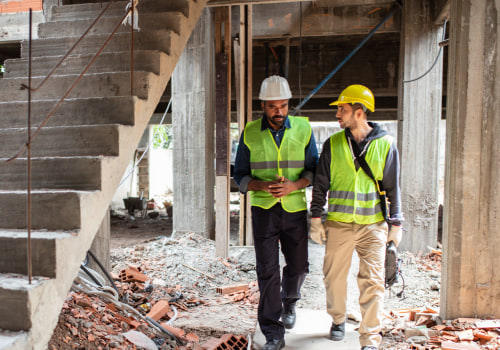
In the dynamic world of real estate, risk management plays a crucial role, especially when it comes to new construction projects. As investors venture into this sector, understanding the various investment risks associated with construction is essential for safeguarding their financial interests. The complexities of construction projects, from regulatory compliance to market fluctuations, necessitate a comprehensive approach to risk management that can help mitigate potential pitfalls. Real estate risk management involves identifying, assessing, and prioritizing risks throughout the lifecycle of a project. This proactive strategy not only protects investments but also enhances decision-making processes.
By implementing effective risk management practices, investors can navigate uncertainties and make informed choices that align with their financial goals. Whether it’s evaluating contractor reliability or understanding local market trends, a thorough grasp of risk factors is vital for success in the competitive landscape of real estate. As we delve deeper into this topic, we will explore various strategies that can be employed to mitigate risks in new construction projects. From conducting due diligence to leveraging technology for better project oversight, these methods are designed to empower investors with the tools they need to minimize exposure and maximize returns. Understanding these principles of real estate risk management is not just beneficial; it is essential for anyone looking to thrive in the construction investment arena.
Identifying Common Risks in New Construction Projects
When embarking on new construction projects, it is essential to recognize the various types of construction risks that can arise.Understanding these risks not only aids in effective real estate risk management but also helps in making informed decisions throughout the project lifecycle. Common risks in construction can be categorized into several key areas:
- Financial Risks: These include cost overruns, unexpected expenses, and fluctuations in market conditions that can impact profitability. Accurate budgeting and financial forecasting are crucial to mitigate these risks.
- Legal Risks: Compliance with local regulations, zoning laws, and contractual obligations is vital. Legal disputes can arise from contract breaches or failure to meet regulatory standards, leading to costly delays.
- Environmental Risks: Projects may face challenges related to environmental regulations, site contamination, or adverse weather conditions. Conducting thorough environmental assessments before commencing construction can help identify potential issues.
- Operational Risks: These involve the day-to-day management of the construction process, including labor shortages, equipment failures, and supply chain disruptions.
Implementing robust project management practices can help minimize these operational challenges.
Conducting Thorough Market Research
Before diving into new construction projects, conducting thorough market research is essential for mitigating risks associated with real estate investments. Understanding the dynamics of the local market can provide invaluable insights that inform your investment decisions.Market research for construction projects
involves analyzing various factors such as demographic trends, economic indicators, and local demand for housing or commercial spaces. Here are some effective methods to conduct comprehensive market research:- Demographic Analysis: Examine population growth, age distribution, and income levels in the area.
This data helps identify potential buyers or renters and their preferences.
- Comparative Market Analysis (CMA): Study similar properties in the vicinity to understand pricing trends and occupancy rates. This analysis can reveal whether your project will be competitive in the market.
- Local Economic Indicators: Keep an eye on employment rates, business growth, and infrastructure developments. A thriving local economy often correlates with increased demand for real estate.
- Surveys and Interviews: Engage with potential buyers or tenants through surveys to gather firsthand insights about their needs and preferences. This qualitative data can guide your project design and marketing strategies.
GIS allows you to visualize data geographically, making it easier to identify trends and patterns that may not be immediately apparent through traditional analysis methods.Additionally, leveraging online platforms that aggregate real estate data can streamline your investment research. Websites that provide analytics on property values, rental rates, and neighborhood statistics can save time and improve the accuracy of your findings.In conclusion, thorough market research is a cornerstone of effective real estate risk management. By employing a combination of quantitative and qualitative methods, investors can make informed decisions that significantly reduce the risks associated with new construction projects.
Implementing a Robust Due Diligence Process
When embarking on new construction projects, implementing a robust due diligence process is essential for effective real estate risk management. This process involves a comprehensive evaluation of various factors that can impact the success of the investment.Below are key steps to consider:
- Financial Assessments: Begin by analyzing the financial viability of the project. This includes reviewing budgets, projected cash flows, and funding sources. Ensure that all financial projections are realistic and account for potential overruns.
- Site Evaluations: Conduct thorough site evaluations to assess the physical characteristics of the land. This includes checking for zoning regulations, environmental concerns, and accessibility.
A detailed site analysis can uncover issues that may lead to costly delays or modifications.
- Legal Checks: Verify all legal aspects related to the property. This includes title searches, easements, and any existing liens. Engaging a legal expert can help identify potential legal hurdles that could jeopardize the project.
- Market Analysis: Understanding the local real estate market is crucial. Analyze comparable properties, market trends, and demand forecasts to ensure that your project aligns with current and future market conditions.
- Contractor Evaluation: Assess potential contractors' qualifications and past performance.
A reliable contractor can significantly reduce risks associated with construction delays and quality issues.
Choosing the Right Location and Site Selection
When it comes to real estate risk management, the significance of choosing the right location and conducting thorough site selection cannot be overstated. The location of a new construction project can dramatically influence its success and profitability. Here are some key factors to consider:- Zoning Laws: Understanding local zoning regulations is crucial.
These laws dictate what types of buildings can be constructed in specific areas, which can affect your project's feasibility. Ensure that the intended use of the property aligns with local zoning classifications.
- Market Demand: Analyze the demand for residential or commercial properties in the area. Conducting a market analysis can help identify trends and potential growth areas, allowing you to invest in locations with high demand.
- Accessibility: Evaluate the accessibility of the site. Proximity to major roads, public transportation, and essential services can enhance the attractiveness of your project to potential buyers or tenants.
- Community Development Plans: Investigate any upcoming community development plans that may impact your site.
Areas slated for infrastructure improvements or new amenities often see increased property values.
- Environmental Factors: Assess environmental risks such as flood zones, soil stability, and proximity to hazardous sites. Conducting an environmental impact assessment can help mitigate potential risks associated with these factors.
Engaging Experienced Professionals and Contractors
When it comes to real estate risk management, one of the most effective strategies is to engage experienced professionals and contractors. The quality of your team can significantly influence the success of a new construction project, making it essential to prioritize the hiring process.Evaluating Credentials
- Check for relevant licenses and certifications.
Ensure that contractors hold the necessary state and local licenses to operate legally.
- Review their insurance coverage. A reputable contractor should have liability insurance and workers' compensation to protect against potential accidents on-site.
- Look for industry affiliations. Membership in professional organizations can indicate a commitment to quality and ongoing education.
Assessing Past Performance
- Request references from previous clients. Speaking directly with past clients can provide insights into the contractor's reliability and quality of work.
- Examine their portfolio.
A strong portfolio showcasing completed projects similar to yours can demonstrate their capability and style.
- Investigate online reviews and ratings. Websites like Angie's List or Yelp can offer additional perspectives on a contractor's reputation.
Contractor Selection Tips
- Conduct interviews: Meet with potential contractors to discuss your project in detail. This interaction can reveal their communication skills and willingness to collaborate.
- Obtain multiple bids: Comparing bids from different contractors not only helps you find competitive pricing but also allows you to gauge the scope of services offered.
- Trust your instincts: If something feels off during the selection process, it’s crucial to listen to your gut. A strong working relationship is vital for project success.
Utilizing Insurance and Financial Instruments
Investing in new construction projects inherently involves various risks, but utilizing insurance and financial instruments can significantly mitigate these challenges.Understanding the available options is crucial for protecting your investment.
Insurance for Construction Projects
One of the primary methods of risk management in real estate is through comprehensive insurance coverage. Here are some key types of insurance to consider:- General Liability Insurance: This protects against claims of bodily injury or property damage that may occur during the construction process.
- Builder's Risk Insurance: This policy covers buildings under construction against risks such as fire, theft, and vandalism.
- Professional Liability Insurance: Essential for architects and engineers, this insurance protects against claims of negligence or failure to deliver services as promised.
- Workers' Compensation Insurance: This is mandatory in most states and covers medical expenses and lost wages for employees injured on the job.
Financial Instruments in Real Estate
In addition to insurance, various financial instruments can help manage risks associated with new construction projects:- Hedging Instruments: These can protect against fluctuations in interest rates or material costs. For instance, futures contracts can lock in prices for essential materials.
- Performance Bonds: These bonds ensure that contractors fulfill their obligations. If they fail to complete the project, the bond provides financial compensation to the investor.
- Equity Partnerships: By partnering with other investors, you can share both the risks and rewards of a construction project, reducing your individual exposure.
By leveraging insurance and financial instruments effectively, you can safeguard your investments against unforeseen events and enhance your overall risk management strategy.
Monitoring Project Progress and Risk Management Plans
Effective real estate risk management in new construction projects hinges on the continuous monitoring of project progress and adherence to established risk management plans. This proactive approach not only helps in identifying potential issues early but also ensures that the project remains aligned with its objectives.Project Monitoring Techniques
- Regular Site Inspections: Conducting frequent site visits allows project managers to assess the physical progress and identify any discrepancies between the planned and actual work.
- Progress Reporting: Implementing a structured reporting system where team members provide updates on their tasks can help in tracking progress and addressing any delays promptly.
- Use of Technology: Leveraging project management software and tools, such as Building Information Modeling (BIM) and project dashboards, can enhance visibility into project timelines, budgets, and resource allocation.
Risk Management Plans in Construction
A comprehensive risk management plan should outline potential risks, their impact, and mitigation strategies. Key components include:- Risk Identification: Regularly revisiting the risk register to identify new risks that may arise during the construction phase.
- Risk Analysis: Evaluating the likelihood and impact of identified risks to prioritize them effectively.
- Mitigation Strategies: Developing actionable plans for each identified risk, ensuring that all team members are aware of their roles in implementing these strategies.
Ongoing Risk Assessment
The landscape of construction projects is dynamic, making ongoing risk assessment crucial. This involves:- Continuous Review: Regularly reviewing the risk management plan to adapt to changes in project scope, timelines, or external factors.
- Stakeholder Engagement: Keeping open lines of communication with all stakeholders to gather insights and feedback on potential risks.
- Performance Metrics: Establishing key performance indicators (KPIs) to measure project health and identify areas needing attention.
Adapting to Changes and Unexpected Challenges
In the dynamic world of construction, adapting to changes and managing unexpected challenges is crucial for the success of any project.The ability to pivot in response to unforeseen circumstances can significantly mitigate risks associated with real estate investments.One effective strategy is to implement a robust contingency planning process. This involves identifying potential risks early in the project lifecycle and developing action plans to address them. For instance, if a key supplier fails to deliver materials on time, having alternative suppliers lined up can prevent costly delays.
Flexibility in project management
is another essential component. Utilizing agile methodologies allows project managers to respond quickly to changes in scope, budget, or timelines.Regularly scheduled check-ins and progress assessments can help teams stay aligned and make necessary adjustments promptly.
- Establish clear communication channels: Ensure that all stakeholders are informed about project developments and potential issues. This transparency fosters collaboration and quick decision-making.
- Invest in technology: Utilize project management software that offers real-time updates and analytics. This can help identify problems before they escalate.
- Encourage a culture of adaptability: Train your team to embrace change and view challenges as opportunities for improvement rather than setbacks.
By fostering a flexible approach and preparing for the unexpected, investors can safeguard their projects against potential pitfalls and enhance their overall investment outcomes.
Conclusion: Key Takeaways for Successful Risk Management in Construction Investments
In conclusion, effective real estate risk management is crucial for ensuring the success of new construction investments. By implementing a comprehensive strategy that addresses potential risks, investors can safeguard their capital and enhance the likelihood of project success. Here are the key takeaways to consider:- Thorough Due Diligence: Conducting extensive research on market conditions, zoning laws, and local regulations is essential. Understanding the landscape can help identify potential pitfalls before they become costly issues.
- Financial Planning: Establishing a robust financial plan that includes contingency funds can mitigate risks associated with unexpected costs. This ensures that projects remain viable even when challenges arise.
- Engaging Experienced Professionals: Collaborating with seasoned architects, contractors, and legal advisors can provide valuable insights and help navigate complex situations effectively.
- Regular Risk Assessments: Continuously monitoring and evaluating risks throughout the construction process allows for timely adjustments to strategies, minimizing potential impacts on the project.
- Diversification: Investing in a variety of projects or locations can spread risk and reduce the impact of any single investment's failure.
Ultimately, a proactive approach to risk management will lead to more informed decision-making and greater overall returns.